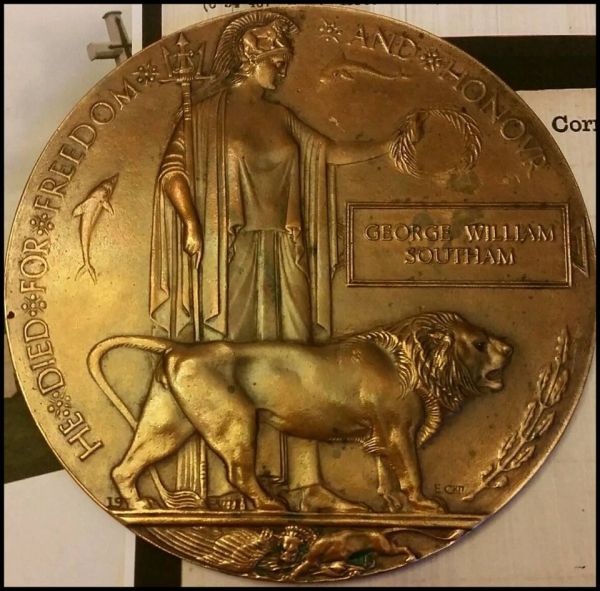
The Great War 1914-1918, from 28th July 1914 to 11 November 1918, lasted 1,557 days and became the fifth most costliest conflict in World history.
Calculating war casualties can be a complex, and sometimes controversial subject. However, it is widely accepted that about 10 million military personnel and about 7 million civilians died in World War 1, with some 23 million wounded – an estimated casualty total of 40 million people. On average this was over 25,690 casualties each day and many more people would die prematurely soon after the war through wounds and its consequences.
The Entente Powers (also known as the Allies) lost about 6 million soldiers, while the Central Powers lost about 4 million. At least 2 million died from diseases and 6 million went missing, presumed dead. About two-thirds of military deaths in World War I were in battle. This was unlike any previous conflict during the 19th century, when the majority of deaths were due to disease. Improvements in medicine, as well as the increased lethality of military weaponry, were both factors in this development. Nevertheless disease, including the ‘Spanish flu’, still caused about one third of total military deaths for all belligerents. There are over half a million men still missing from the Great War, with no known grave. About a third of those are thought to be buried as “unknown” while the other two thirds are still “missing”.